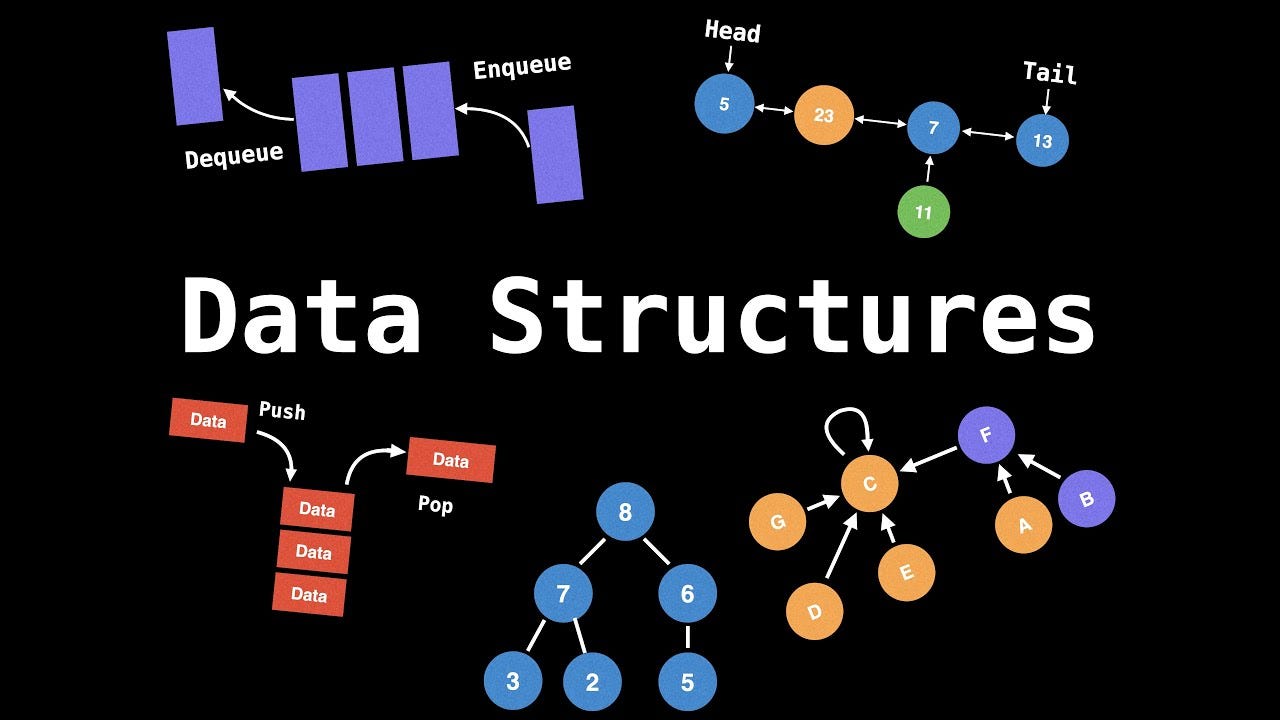
Generating Binary Numbers Using a Queue | Data Structures and Algorithms Day #10
Learn how to generate binary numbers using a queue with Python and JavaScript code

Software Engineer & Technical Writer
Generating binary numbers sequentially (e.g., 1, 10, 11, 100, etc.) is a fundamental task in computer science. One of the most efficient ways to solve this problem is by using queues, which follow the First-In-First-Out (FIFO) principle. In this approach, the queue helps maintain the order of binary numbers while generating them systematically, ensuring all numbers are processed in sequence. This guide explains how to use queues for binary number generation with code examples in Python and JavaScript, along with a detailed breakdown of the logic and applications.
Why Use Queues for Binary Number Generation?
Queues are ideal for generating binary numbers because:
FIFO ordering ensures the generated binary numbers remain in sequence.
The process leverages enqueue and dequeue operations to build new binary strings efficiently.
Compared to recursive solutions, this queue-based approach is more memory-efficient and easier to manage for large inputs.
Code Examples: Generating Binary Numbers Using a Queue
Python Code Example
from collections import deque

def generate_binary_numbers(n):
    queue = deque(["1"])  # Initialize queue with the first binary number
    result = []

    for _ in range(n):
        current = queue.popleft()  # Dequeue the front element
        result.append(current)  # Store the binary number

        # Enqueue the next two binary numbers derived from the current one
        queue.append(current + "0")
        queue.append(current + "1")

    return result

# Generate binary numbers up to a given limit
n = 10
print(generate_binary_numbers(n))
JavaScript Code Example
function generateBinaryNumbers(n) {
  let queue = ["1"];  // Initialize queue with the first binary number
  let result = [];

  for (let i = 0; i < n; i++) {
    let current = queue.shift();  // Dequeue the front element
    result.push(current);  // Store the binary number

    // Enqueue the next two binary numbers derived from the current one
    queue.push(current + "0");
    queue.push(current + "1");
  }

  return result;
}

// Generate binary numbers up to a given limit
let n = 10;
console.log(generateBinaryNumbers(n));
Step-by-Step Logic Explanation
Initialize the Queue: Start by placing the first binary number,
"1", in the queue.Dequeue the Front Element: Extract the current binary number from the front of the queue and store it in the result list.
Generate New Binary Strings: For each dequeued number, generate two new binary strings by appending
"0"and"1"to it.Enqueue the New Strings: Add the newly created binary strings back into the queue for further processing.
Repeat: Continue this process until the desired number of binary numbers has been generated.
Time Complexity and Space Complexity Analysis
Time Complexity:
- O(n), where n is the number of binary numbers generated. Each enqueue and dequeue operation is O(1), and we perform n such operations.
Space Complexity:
- O(n) to store the binary numbers in the queue and the result list.
Visualization of Queue Operations
Initial State: Queue = [“1”]
Step 1: Dequeue “1” → Enqueue “10” and “11” → Queue = [“10”, “11”]
Step 2: Dequeue “10” → Enqueue “100” and “101” → Queue = [“11”, “100”, “101”]
Step 3: Dequeue “11” → Enqueue “110” and “111” → Queue = [“100”, “101”, “110”, “111”]
This process continues until all binary numbers are generated. Each step ensures the numbers are in proper sequence, thanks to the FIFO property of the queue.
Real-World Applications of Binary Number Generation
Binary Encoding: Binary strings are fundamental in data encoding, such as ASCII or UTF-8 encoding systems.
Level-Order Traversal of Trees: A similar queue-based approach is used to perform Breadth-First Search (BFS) in binary trees.
Networking Protocols: Binary numbers play a role in addressing schemes (like IPv4 and IPv6) and packet transmission.
Common Misconceptions
“Binary Generation Requires Recursion Only”: While recursion is a valid approach, the queue-based solution is often more efficient in terms of memory usage.
“Queues Add Unnecessary Overhead”: The FIFO nature of queues makes them a perfect match for generating binary numbers sequentially.
FAQs
What is the role of queues in binary number generation?
Queues help maintain the correct order of binary numbers by following the FIFO principle. Each binary string generates two new ones, which are added back to the queue for further processing.
How efficient is the queue-based approach for large inputs?
The queue-based approach is highly efficient with O(n) time complexity. It also avoids the potential pitfalls of recursion (like stack overflow), making it suitable for large inputs.
Conclusion
Using a queue to generate binary numbers is a straightforward and efficient way to ensure sequential order. The FIFO property of the queue allows us to process each binary string correctly and generate new ones without missing any numbers.
Try implementing the provided code examples in Python and JavaScript to deepen your understanding.